Class 10 Social Science Chapter 5 – Cultural Heritage of India and North East Region Complete Question Answer | ASSEB / SEBA
Class 10 Social Science (History) Chapter 5 – Cultural Heritage of India and North East Region Complete Question Answers and Exam Solutions (ASSEB / SEBA Assam – English Medium)
The fifth and final chapter of the Class 10 Social Science History syllabus, ‘Cultural Heritage of India and North East Region’, is a beautiful journey through our rich traditions, art, and architecture. For the upcoming HSLC 2027 board examinations, we have structured a complete set of question answers (Class 10 Social Science Chapter 5 Question Answer) entirely based on the New ASSEB (Assam State School Education Board) Syllabus 2026-27 and the latest blueprint. This comprehensive Question Bank includes in-text Very Short Answers (VSA), Short Questions, Long Answers, and complete step-by-step solutions to Previous Years’ Board Exam Questions (PYQ). Ospin Academy provides these notes with absolute accuracy to help students score maximum marks.
This chapter explores the profound cultural diversity of India, its ancient architectural marvels, classical literature, and the evolution of religious harmony. Furthermore, it deeply focuses on the unique tribal culture, festivals, folk dances, and traditional heritage of Assam and the wider North Eastern region. Memorizing the classical dances, festivals, and architectural details is highly important for the board exam. Our Question Bank ensures that you cover both textbook exercises and the Extra Board Questions and Answers that are frequently tested.
What you will learn and get from this chapter:
- A comprehensive overview of India’s ancient architectural heritage, classical music, and traditional dance forms.
- Detailed insights into the religious harmony, literature, and cultural assimilation that define the Indian subcontinent.
- In-depth knowledge of the vibrant tribal cultures, festivals (like Bihu), and traditional attire of Assam and the North Eastern states.
- Perfectly structured answers for 1-mark objective questions (VSA/MCQ) and 2-3 marks short reasoning questions.
- Standard, easy-to-memorize solutions for 4-5 marks long descriptive questions regarding cultural integration and heritage preservation.
Special benefits from Ospin Academy for the HSLC 2027 Exam:
- A fully updated Chapter 5 Question Bank perfectly aligned with the new ASSEB blueprint for HSLC 2027.
- Verified and detailed solutions for Previous 10 Years’ Questions (PYQ) along with Pre-Board papers from multiple districts of Assam.
- 100% accurate, premium quality study materials (Class 10 History Notes) drafted in simple English for rapid understanding.
- Easily downloadable PDF format (PDF Download) optimized for smart, last-minute revision before the board exam.
- An expertly curated list of 100% Common Board Suggestion questions to secure your path to the highest marks.
Complete your History syllabus preparation today and ensure you secure the Highest Marks in Social Science with Ospin Academy’s trusted resources.
Class 10 Social Science Question Bank ASSEB HSLC 2027 | English Medium Chapter-wise Solutions PDF

Class 10: Social Science
Cultural Heritage of India and North East Region
HSLC English PYQs (2024–2026): Important MCQs with Answers
1. Match the following and choose the correct answer : {2026}
(i) Armamalai
(ii) Chittanavachal
(iii) Bagh
(iv) Ajanta
(A) Maharashtra
(B) Madhya Pradesh
(C) Tamilnadu
(D) Tamilnadu
(A) (i) – (C), (ii) – (D), (iii) – (A), (iv) – (B)
(B) (i) – (C), (ii) – (D), (iii) – (B), (iv) – (A)
(C) (i) – (B), (ii) – (D), (iii) – (A), (iv) – (C)
(D) (i) – (D), (ii) – (A), (iii) – (B), (iv) – (C)
Answer: B
2. Which of the following statements are correct ? {2026}
(i) Ajan Peer came to Assam during the reign of Gadadhar Singha.
(ii) During the invasion of the Burmese (Mans), Ranjit Singh of Punjab sent a group of Sikh soldiers to assist Ahom king Chandrakanta Singha.
(iii) Madhab Kandali was patronized by Barahi king Mahamanikya.
(iv) The Padya Geeta written by Govinda Mishra is still popular.
(A) (i), (ii)
(B) (ii), (iii)
(C) (iii), (iv)
(D) (i), (ii), (iii), (iv)
Answer: D
3. Which of the following prop is used in the folk-dance Cheraw of Mizoram ? {2026}
(A) Bamboo
(B) Earthen Pot
(C) Mask
(D) Sword
Answer: A
4. Which of the following is true about the Gandhara style? {2025}
(A) The central theme was the Hindu deities.
(B) It was developed mainly in Western Uttar Pradesh.
(C) It was influenced by the Mathura style only.
(D) It is associated with the Greco-Roman style.
Answer: D
5. How does the cultural heritage of India reflect its historical diversity? {2025}
(A) Through uniform political history
(B) Through various languages, representing different regions festivals and arts
(C) Through a unified national language
(D) Through a single style of architecture
Answer: B
6. Match the following and choose the correct answer: {2025}
(i) Kathakali
(ii) Bharatnatyam
(iii) Kathak
(iv) Kuchipudi
(a) Andhra Pradesh
(b) Kerala
(c) Tamil Nadu
(d) Northern India
(A) (i)→(b), (ii)→(c), (iii)→(d), (iv)→(a)
(B) (i)→(b), (ii)→(d), (iii)→(a), (iv)→(c)
(C) (i)→(c), (ii)→(a), (iii)→(b), (iv)→(d)
(D) (i)→(a), (ii)→(c), (iii)→(d), (iv)→(b)
Answer: A
7. Who wrote the ‘Rajtarangini’? {2024}
(A) Kautilya
(B) Aryabhatta
(C) Kalhana
(D) Patanjali
Answer: C
8. To which ethnic group does the Khasi tribe of Meghalaya belong? {2024}
(A) The Negrito Group
(B) The Austric Group
(C) The Dravidian Group
(D) The Mongoloid Group
Answer: B
9. ‘Chapsar Kut’ is a traditional festival of which state? {2024}
(A) Manipur
(B) Tripura
(C) Mizoram
(D) Meghalaya
Answer: C
10. Who first introduced prose literature in Assamese? {2024}
(A) Bhattadeva
(B) Sankardeva
(C) Madhab Kandali
(D) Ananta Kandali
Answer: A
Assam’s Various District Pre‑Board (2025–26) MCQs With Answers
1. When we talk about the trinity of the Jonaki era, which of the following writers are recognized? {Bajali}
(i) Gunabhiram Barua
(ii) Hemchandra Goswami
(iii) Lakshminath Bezbarua
(iv) Chandrakumar Agarwala
(A) i, ii, iii
(B) ii, iii, iv
(C) i, iii, iv
(D) i, ii, iv
Answer: B
2. The extent of the Harappan civilization was : {Bajali}
(A) From the Indus Valley to the Gangas Valley including the cities of Harappa and Mahenjo Daro.
(B) From the Indus valley to the Gangas Valley including Harappa.
(C) From the Indus Valley to the Brahmaputra Valley including the cities of Harappa and Mohenjo-Daro
(D) None of the above.
Answer: A
3. Match the following: {Bajali}
(A) Rajtarangini
(B) Yogabidya
(C) Arthasastra
(D) Discovery of India
(i) Koutilya
(ii) Jawaharlal Nehru
(iii) Patanjali
(iv) Kalhan
(A) a – iii, bi, civ, d-ii
(B) a-ii, b – iii, c – iv, d – i
(C) a – iv, b – i, c – iii, d- ii
(D) a – iv, b – iii, c – i, d – ii
Answer: D
4. Who introduced the technique of extracting yearn from cotton? {Baksa}
(A) The Austrics
(B) The Mangoloids
(C) Dravidians
(D) Western Brachycephaly groups.
Answer: A
5. “Janani Janmabhumischa Swargadapi Gariyashi”-this world famous quotes was taken from- {Baksa}
(A) The Ramayana
(B) The Mahabharata
(C) Mundaka Upanichad
(D) Maha Upanishad
Answer: A
6. The three folk dances prevalent in Darrang district are- {Baksa}
(i) Dhepadhulia
(ii) Bordhulia
(iii) Bhortal
(iv) Deodhani dance
(A) (i), (ii), (iii)
(B) (ii), (iii), (iv)
(C) (i), (ii), (iv)
(D) (i), (iii), (iv)
Answer: C
7. The Social System of Meghalaya is – {Baksa}
(A) Socialist
(B) Democratic
(C) Matriarchal
(D) Patriarchal
Answer: C
8. Choose the correct option considering the following statements – {Barpeta}
(i) Rice cultivation, the technique of making jaggery from sugarcane was introduced by the Austrians
(ii) The use of vermilion and turmeric in religious traditions was invented by the Austrians
(A) (i) is true (ii) is false
(B) (i) is false (ii) is true
(C) Both (i) and (ii) are true
(D) Both (i) and (ii) are false
Answer: C
9. Who started the construction of Talatal Ghar? {Barpeta}
(A) Rajeswar Singha
(B) Gadadhar Singha
(C) Pramatta Singha
(D) Rudra Singha
Answer: D
10. If you were to organize an Ojapali performance for a cultural festival, which aspects would be crucial to ensure its authenticity? {Barpeta}
(A) Using traditional costumes, music and storytelling techniques
(B) Focusing on contemporary music trends
(C) Incorporating popular dance styles from different regions
(D) Prioritizing modern technological effects and staging
Answer: A
11. Which dynasty mainly patronized the Amravati style of sculpture? {Barpeta}
(A) Maurya
(B) Gupta
(C) Satavahana
(D) Kushan
Answer: C
12. Which of the following is a cowboy song in Assamese Folk Music ? {Barpeta}
(A) Chiyageet
(B) Nangeli Geet
(C) Tokarigeet
(D) Dhainaam
Answer: B
13. Which of the following statements about medieval Assamese literature are correct ? {Barpeta}
(i) Madhava Kandali translated the Saptakanda Ramayana into Assamese
(ii) Vrindavani cloth was used in Sankardeva’s first drama Chihnayatra
(iii) The Padya Gita, by Pitambar Kabi is still a widely used popular religious text
(iv) Here are some illustrated books of Medival Assam – Anandalahari, Geeta Govinda, Katha Geeta, Kumar Haran
(A) i, iii
(B) i, ii, iii
(C) i, ii
(D) i, ii, iii, iv
Answer: C
14. The UNESCO World Heritage sites of India are – {Barpeta}
(i) Sanchi Stupa
(ii) Qutub Minar
(iii) Kaziranga National Park
(iv) Ajanta caves
(v) Orang National Park
(A) i, ii, iv, v
(B) i, ii, iii, iv, v
(C) i, iii, iv, v
(D) i, ii, iii, iv
Answer: D
15. Match the following ‘A’ with ‘B’ {Biswanath}
‘A’
a.Bharatnatyam
b.Satriya
c.Kathak
d.Mohaniyatyam
‘B’
(i) Northern India
(ii) Tamilnadu
(iii) Assam
(iv) Kerala
(A) a (i), b (ii), c (iii), d (iv)
(B) a (ii), b (i), c (iv), d (iii)
(C) a (ii), b (iii), c (i), d (iv)
(D) a (ii), b (i), c (iii), d (iv)
Answer: C
16. Preparation of molasses from sugarcane, making cloths from cotton were the contribution of. {Biswanath}
(A) Dravidians
(B) Austrics
(C) Mongoloids
(D) Aryans
Answer: B
17. The most popular folk dances of Darang district is – {Biswanath}
(A) Thiyanam
(B) Dhulia Ojapali
(C) Bhortal Dance
(D) Deodhani Dance
Answer: B
18. The three architectural arts of India, listed as a world Heritage sites by UNESCO are – {Bongaigaon}
(i) Sanchi Stupa
(ii) Caves of Ajanta
(iii) Tajmahal
(iv) Lalkilla
(A) (i), (ii), (iv)
(B) (i), (ii), (iii)
(C) (ii), (iii), (iv)
(D) (i), (iii), (iv)
Answer: B
19. Which artist got Padmashree award for the Contribution in Folk song of Assam? {Bongaigaon}
(A) Zubeen Garg
(B) Bhupen Hazarika
(C) Khagen Mahanta
(D) Pratima Pande Baruah
Answer: D
20. Which of the literatures mentioned below are known as ‘Trimurti’ of Jonaki age? {Bongaigaon}
(i) Hemchandra Baruah
(ii) Hemchandra Goswami
(iii) Lakshinath Bezbarua
(iv) Chandra Kumar Agarwala
(A) (i), (ii), (iii)
(B) (ii), (iii), (iv)
(C) (i), (iii), (iv)
(D) (i), (ii), (iv)
Answer: B
21. The Contributions of the Austrians to Indian culture are – {Bongaigaon}
(i) Cultivation of Rice
(ii) Preparation of molasses from sugercane
(iii) Use of Sindoor in religious work
(iv) To remove poverty
(A) (i), (ii), (iv)
(B) (i), (ii), (iii)
(C) (ii), (iii), (iv)
(D) (i), (iii), (iv)
Answer: B
22. Match the following and choose the correct answer. {Bongaigaon}
(i) Kuchipudi
(ii) Satriya
(iii) Kathak
(iv) Kathakali
(a) Assam
(b) Northern India
(c) Malayalam
(d) Andhra Pradesh
(A) (i) b, (ii) a, (iii) d, (iv) c
(B) (i) d, (ii) a, (iii) b, (iv) c
(C) (i) b, (ii) a, (iii) d, (iv) c
(D) (i) c, (ii) d, (iii) a, (iv) b
Answer: B
23. Which of the options given below establishes a connection between the paintings done on Sanchipat and Padshahnama. {Cachar}
(A) Gives a pictorial description of the text of the book.
(B) Made reading the book interesting.
(C) Paintings increased the aesthetic beauty of the book.
(D) Helped gather greater audience for the book.
Answer: A
24. During the rule of which king did Ajan Pir come to Assam? {Cachar}
(A) Shib Singha
(B) Pramatta Singha
(C) Rajeswar Singha
(D) Gadadhar Singha
Answer: D
25. Find out from the options given below the name of the person who was a historian. {Cachar}
(A) Kautilya
(B) Varahamihir
(C) Sushruta
(D) Kalhana
Answer: D
26. Which of the following statements establishes a connection between Jadhavpur University (formerly named as Bengal Technical Institute) and Anandaram Baruah, the first ICS of Assam? {Cachar}
(A) Anandaram Barua was one of the founder member of Jadavpur University.
(B) Tarakanath Palit who funded the founding of Jadavpur University was a close friend of Anandaram Barua
(C) Anandaram Barua was the founder principal of Jadavpur University.
(D) Taraknath Palit invited Anandaram Barua to be one of the teachers here:
Answer: B
27. Identify the dance seen in the picture {Dhubri}
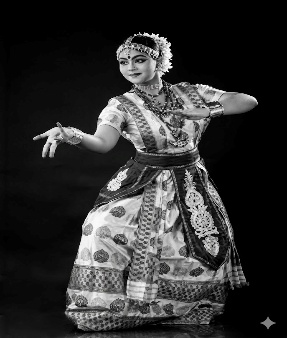
(A) Manipuri Dance
(B) Satriya Dance
(C) Bharatnatyam Dance
(D) Kathak Dance
Answer: B
28. Saranga is related with – {Dhubri}
(A) Sculpture
(B) Painting
(C) Yoga
(D) Architecture
Answer: B
29. Which of the following book is believed to have been written 1000BC to 600 BC? {Dhubri}
(A) Rig Veda
(B) Sama Veda
(C) Natyashastra
(D) Arthashastra
Answer: B
30. Read the following options and identify the correct answer {Dhubri}
(A) Ananta Kandali — Ramayana
(B) Sankardeva — Namghosha
(C) Madhabdeva — Kirtan
(D) Bhattadeva — Katha Geeta
Answer: D
31. The dance form shown in the picture belongs to which of the following Schedule Caste? {Goalpara}
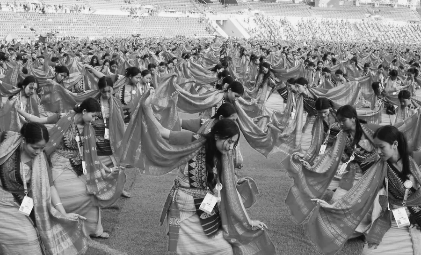
(A) Bodo
(B) Tiwa
(C) Rabha
(D) Karbi
Answer: A
32. Which artist got Padmashree Award for the contribution in folk song? {Goalpara}
(A) Zubeen Garg
(B) Khagen Mahanta
(C) Rameswar Pathak
(D) Pratima Pande Boruah
Answer: D
33. The Assamese literature “Katha Geeta” was written by – {Goalpara}
(A) Madhabdev
(B) Annanta Kandali
(C) Bhattadev
(D) Sukumar Barkaith
Answer: C
34. Who wrote ‘The discovery of India ? {Goalpara}
(A) Rabindra Nath Tagore
(B) Mahatma Gandhi
(C) Jawaharlal Nehru
(D) Arabinda Ghosh
Answer: C
35. The term “Satyameva Jayate” in the Nationa! symbol was taken from _____ book. {Goalpara}
(A) Ramayana
(B) Mahabharata
(C) Katha Geeta
(D) Munda Upanishad
Answer: D
36. Match the following festivals with their respective states: {Hailakandi}
Festival
1.Hornbill
2.Chapchar Kut
3.Bagurumba
4.Pharkanti
State
i) Mizoram
ii) Nagaland
iii) Rabha
iv) Bodo
(A) 1-ii, 2-i, 3-iv, 4-iii
(b) 1-i, 2-ii, 3-iii, 4-iv
(C) 1-ii, 2-iv, 3- , 4-iii
(D) 1-iii, 2 iv, 3-1,4-ii
Answer: A
37. Read the following statements and choose the correct response: {Hailakandi}
Assertion (A): India has a rich and diverse cultural heritage.
Reason (R): Different tribes of people – Proto-Austroloids, Austrics, Mongoloids, Aryans migrated and settled down in India.
(A) A is true, R is false
(B) A is false, R is true
(C) Both A and R are true and R is the correct explanation of A.
(D) Both A and R are true but R is not the correct explanation of A.
Answer: C
38. Read the following statements and choose the correct answer. {Hailakandi}
Assertion (A): Sanskrit literature is considered the soul of Indian culture.
Reason (R): Most of the ancient knowledge regarding philosophy, science, and religion was recorded in the Sanskrit language.
(A) Both A and R are true, and R is the correct explanation of A.
(B) Both A and R are true. but R is not the correct explanation of A.
(C) A is true, but R is false.
(D) A is false, but R is true.
Answer: A
39. If a student is asked to identity the strongest factor behind India’s Cultural diversity, Which would be the most logical choice? {Jorhat}
(A) Interaction with multiple races, religion and languages .
(B) Strict preservation of ancient custom.
(C) Political unity at all times.
(D) Complete absence of foreign invasions.
Answer: A
40. Match the following with Column A and B. {Jorhat}
Column A:
i. Satyameba Jayate
ii. Ahimsa Param Dharma
iii. Janani Janmabhumisha Swargadapi Gariyashi
iv. Basudhaiba Kutumbakam
Column B:
a) Mahabharata
b) Mohopanishad
c) Mundak Upanishad
d) Ramayana
Options:
(A) i-c ii-d iii-b iv-a
(B) i-d ii-b iii-c iv-a
(C) i-c ii-a iii-d iv-b
(D) i-b ii-d iii-a iv-c
Answer: C
Read the following Paragraph and answer the Question Number 41 and 42.
“Yoga was widely practised during the vedic era. This traditiona; practice was brought into a standard by Maharshi. Patanjali by compiling a book called Yogasutra in the Second Century. He described Yoga as a way of physical, mental and spiritual well being.”
41. Why is the YOGA SUTRA of Patanjali Considered a turning point in the history of YOGA? {Jorhat}
(A)It Converted Yoga into a religions ritual.
(B)It systematized and explained Yoga pholisophy in a scientific manner.
(C)It discouraged meditation practies.
(D)It focused only on bodily postures.
Answer: B
42. Which of the following best explains why Yoga has remained an integral part of Indian Culture for thousands of Years? {Jorhat}
(A)It was promoted only by ancient saints.
(B)It focuses on physical exercised alone.
(C)It provides a holistic approach to physical, mental and spiritual well-being.
(D) It practiced by people only during festivals.
Answer: C
43. Look at the picture below and name the tribe associated with this dance and the name of the dance. {Jorhat}
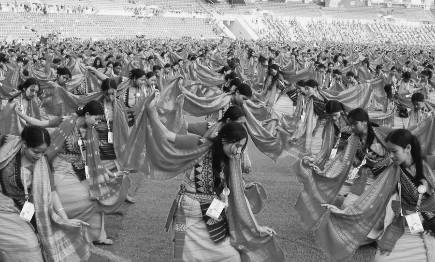
(A) Bodo-Bagrumba
(B) Karbi-Bamboo dance
(C) Tea tribe- Jhumura
(D) Assamese- Bihu
Answer: A
44. Whose two statues are there in the lower part of the stone gate of DaParbatia at Tezpur? {Kamrup M}
(A) Ganga-Yamuna
(B) Brahma-Bishnu
(C) Moon-Sun
(D) Male-Female
Answer: A
45. Which is the last limb of Ashtanga Yoga? {Kamrup M}
(A) Niyama
(B) Dharana
(C) Samadhi
(D) Asana
Answer: C
46. Match the following : {Kamrup M}
(1) Satyameva Jayate
(2) Vasudhaiva Kutumbakam
(3) Ahimsha parmo dharma
(4) Janani Janmabhoomi Swargadapi Gariyasi
(i) Mahabharat
(ii) Mahopanishad
(iii) Ramayana
(iv) Mundaka Upanishad
(A) 1 – (iv), 2 – (ii), 3 – (i), 4 – (iii)
(B) 1 – (i), 2 – (ii), 3 – (iv), 4 – (iii)
(C) 1 – (iv), 2 – (ii), 3 – (i), 4 – (iii)
(D) 1 – (iii), 2 – (iv), 3 – (i), 4 – (ii)
Answer: A
47. Which vedic hymns were recited in the form of songs by the priests named Udgata ? {Kamrup M}
(A) Rigveda
(B) Yajur Veda
(C) Samaveda
(D) Atharva Veda
Answer: C
48. Name the state from which the classical dance shown in the picture is originated ? {Kamrup M}
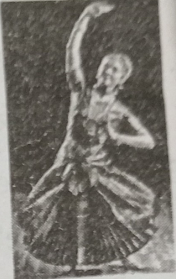
(A) Kerela
(B) Assam
(C) Tamil Nadu
(D) Andhra Pradesh
Answer: C
49. Assertion(A): After conversion into Christians, Mizo traditional culture and festivals began to diminish. {Kamrup M}
Reason (R): Mizos launched a movement name ‘Heraka’ for the revival and preservation of traditional religions, beliefs and cultural herritage.
(A) Both A and R ture, and R is correct explanation of A.
(B) Both A and R true, but R is not correct explanation of A.
(C) A true, R false
(D) A false, R true
Answer: C
50. Who translated the ‘Saptakanda Ramayana’ into Assamese? {Kamrup R}
(A) Sri Sri Shankardev
(B) Sri Sri Madhavdev
(C) Madhav Kandali
(D) Ananta Kandali
Answer: C
51. Which colours were commonly used in the Sanchipat paintings? {Kamrup R}
(A) Blue, White, Golden, Black
(B) Red, Green, Yellow, Black
(C) Only Black and White
(D) Pink, Purple, Silver, Green
Answer: B
52. Who wrote the book ‘Discovery of India’? {Kamrup R}
(A) Jawaharlal Nehru
(B) Mahatma Gandhi
(C) Subhash Chandra Bose
(D) Maniram Dewan
Answer: A
53. Which of the following sequence is right in case of the immigrants to India. {Kamrup R}
(A) Aryan-Dravids- Negros-Mongoloids
(B) Negros-Austric- Mongoloids-Aryan.
(C) Austric- Mongoloids-Aryan- Negros
(D) Aryan-Negros-Austric- Mongoloids
Answer: B
54. Which of the following is not present in Indus Valley civilization? {Kamrup R}
(A) Unicom
(B) Sindur
(C) Elephant
(D) Iron
Answer: D
55. ………. translated Ramayana into Assamese. {Kokrajhar}
(A) Hem Saraswati
(B) Madhav Kandali
(C) Rudra Kandali
(D) Haribar Bipra
Answer: B
56. The universal message “Satyameva Jayate” {Kokrajhar}
(A) Mundak upanishad
(B) Mahabharat
(C) Ramaayana
(D) Mohapanishaad
Answer: A
57. Bordhulia, Deodhani are the folk songs of- {Kokrajhar}
(A) Darrang
(B) Barpeta
(C) Nagaon
(D) Dibrugarh
Answer: A
58. The construction of the historically significant Talatal Ghar in Sivasagar was started by Swargadeo Rudra Singha and completed by- {Lakhimpur}
(A) Rajeshwar Singha and his successors
(B) Shiva Singha
(C) Gadadhar Singha
(D) Koch kings
Answer: A
59. Assertion (A): A composit culture was born in Assam with the mixed contribution of the Aryan and non-Aryan Groups. {Lakhimpur}
Reason (R): The process of ethnic and cultural synthesis that took place in india also took place in Assam.
(A) A is true but R is false
(B) A is false but R is true
(C) Both (A) and (R) are true but R is not correct explanation for (A)
(D) Both (A) and (R) are true and (R) is the correct explanation for (A).
Answer: D
60. Match Part ‘A’ with Part ‘B’ and choose the correct answer {Lakhimpur}
Part-A
(a) Namghusha
(b) Podyageeta
(c) Saptakanda Ramayan
(d) Sihna Yatra
Part-B
(i) Sankardeva
(ii) Madhava Kandali
(iii) Gobinda Mishra
(iv) Madhavdev
(A)a-ii, biv, c-i, d-iii.
(B) a-iv, b-iii, c-ii, d-i.
(C)a-iii, bi, civ, d-ii.
(D)a-i, b-ii, c-iii, div.
Answer: B
61. Select the incorrect option from the pairs given below- {Lakhimpur}
(A) Song for making a baby sleep – Nangeligeet
(B) Occarion of Marriage – Biya geet
(C) Song sung about life – Tokari geet
(D) Song sung focusingf on bihu – Bihu geet
Answer: A
62. The hornbill festival is – {Lakhimpur}
(A) Monipuri
(B) Naga
(C) Mizo
(D) Tripura
Answer: B
63. In which currency note of India the picture of the architecture Sanchi Stupa is seen? {Nagaon}
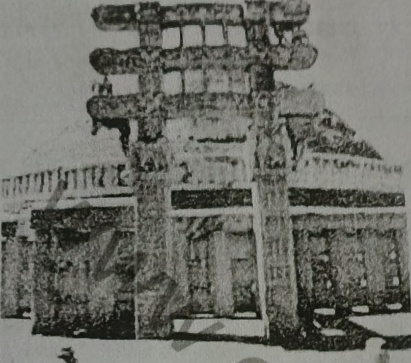
(A) In 500 rupee note
(B) In 200 rupee note
(C) In 100 rupee note
(D) In 50 rupee note
Answer: B
64. What is the architectural style of stone temples between the Vindhya Mountain and Krishna river called? {Nagaon}
(A) Nagar
(B) Dravid
(C) Vesara
(D) Parsi
Answer: C
65. The festival of Naga is {Nagaon}
(A) Ali Ai Lrigang
(B) Hornbeel
(C) Chath Puja
(D) Ojapali
Answer: B
66. Match the following – {Nagaon}
(A) Kautilya
(B) Madhab Kandali
(C) Sukumar Borkaith
(D) Jawaharlal Nehru
i) Discovery of India
ii) Arthasastra
iii) Saptakanda Ramayana
iv) Hastibidyarnava
Options:
A (a) – (ii), (b) – (iii), (c) – (iv), (d) – (i)
(B) (a) – (ii), (b) – (iii), (c) – (i), (d) – (iv)
(C) (a) – (i), (b) – (iii), (c) – (ii), (d) – (iv)
(D) (a) – (iv), (b) – (ii), (c) – (i), (d) – (iii)
Answer: A
67. Which two of following are pictorial books? {Nagaon}
(A) Kumar Harn
(B) Dadhi Mathan
(C) Sankhachur Badh
d) Ram Bijoy
(A) (a) and (b)
(B) (b) and (c)
(C) (a) and (c)
(D) (c) and (d)
Answer: C
68. In Ahom period, the officer who supervised the construction of the temples, houses etc was known as- {Nagaon}
(A) Changrung Phukan
(B) Chaudang Baruah
(C) Gohain Baruah
(D) Borpatra Gohain
Answer: A
69. Match the following – {Nagaon}
a) Kathakali
b) Bharat Natyam
c) Satriya
d) Kathak
i) North India
ii) Assam
iii) Kerala
iv) Tamilnadu
(A) (a)-(iv), (b)-(iii), (c)-(i), (d)-(ii)
(B) (a)-(iii), (b)-(iv), (c)-(i), (d)-(ii)
(C) (a)-(iii), (b)-(iv), (c)-(ii), (d)-(i)
(D) (a)-(iv), (b)-(iii), (c)-(ii), (d)-(i)
Answer: C
70. The artist got Padmashree award for the contribution in folk song – {Nagaon}
(A) Dr. Bhupen Hazarika
(B) Khagen Mahanta
(C) Rameswar Pathak
(D) Pratima Pande Baruah
Answer: D
71. The above picture is related to which of the following dance? {Nalbari}
(A) Khasi dance
(B) Manipuri dance
(C) Cheraw dance
(D) Satriya dance
Answer: C
72. Match the following books to the authors and choose the correct option – {Nalbari}
(a) Saptakanda Ramayana
(b) Katha Geeta
(c) Gunamala
(d) Janma Rahasya
(i) Madhabdev
(ii) Sankardeva
(iii) Madhab Kandali
(iv) Bhattadeva
(A) a → ii, b → iii, c → iv, d → i
(B) a → iii, b → iv, c → i, d → ii
(C) a → iii, b → iv, c → ii, d → i
(D) a → ii, b → iv, c → iii, d → i
Answer: C
73. The correct order of the following first four days of Rangali Bihu is – {Nalbari}
(A) Manuh Bihu → Gosai Bihu → Senehi Bihu → Kutum Bihu
(B) Manuh Bihu → Kutum Bihu → Gosai Bihu → Senehi Bihu
(C) Manuh Bihu → Gosai Bihu → Kutum Bihu → Senehi Bihu
(D) Gosai Bihu → Manuh Bihu → Kutum Bihu → Senehi Bihu
Answer: C
74. Match the following: {Sibsagar}
(a) Gandhara Art
(b) Amaravati Art
(c) Persian Style
(d) Karal
(i) Ahom
(ii) Mughal Period
(iii) Gupta Period
(iv) Satvahana
A. a – ii, b – i, c – iv, d – iii
B. a – iv, b – ii, c – i, d – iii
C. a – iii, b – iv, c – ii, d – i
D. a – iii, b – ii, c – i, d – iv
Answer: C
75. Assertion (A): The influence of christanity increased among the Mizos. {Sibsagar}
Reason (R): The ‘Chapchar Kut’ was a resistance against this aggression.
(A) A is true, R is false.
(B) A is false, R is true.
(C) Both A and R are true, and R is the correct explanation of A.
(D) Both A and R are true, But R is not correct explanation of A.
Answer: A
76. What are Turung and Nora? {Sibsagar}
(A) Cave Art
(B) People of Buddhist Religion
(C) Sculpture Art of the Ahoms
(D) Classical Dances of the North-East
Answer: B
77. Arrange the following writers/literary figures in chronological order from oldest to newest. {Sibsagar}
(i) Ajan Fakir
(ii) Sankardev
(iii) Harihar Vipra
(iv) Ananta Kandoli
(A) i – iii – ii – iv
(B) iii – ii – iv – i
(C) iii – i – ii – iv
(D) i – ii – iii – iv
Answer: B
78. Choose three architectural sites listed as world heritage site by UNESCO. {Sonitpur}
i) Sanchi Stupa
ii) Ajanta Rockcut
iii) Tajmahal
iv) Red Fort
(A) (i), (ii), (iv)
(B) (i), (ii), (iii)
(C) (ii), (iii), (iv)
(D) (i), (iii), (iv)
Answer: B
79. What is the name of the earliest written religious book in the world. {Sonitpur}
(A) Samaveda
(B) Rigveda
(C) Yajurveda
(D) Atharvaveda
Answer: B
80. Which of the following classical dance form was originated in Andhrapradesh? {Sonitpur}
(A) Kathakali
(B) Kuchipudi
(C) Bharatanatyam
(D) Odissi
Answer: B
81. Bihu organised by the women of Upper Assam – {Sribhumi}
(A) Jeng Bihu
(B) Manuh Bihu
(C) Chera Bihu
(D) Mukoli Bihu
Answer: A
82. Match the following :- {Sribhumi}
PART ‘A’
a) Ratnawali Katha
b) Hastividyarnab
c) Saptakanda Ramayana
d) Padya Geeta
PART ‘B’
i) Govinda Mishra
ii) Bhattadev
iii) Sukumar Barkaith
iv) Madhav Kandali
(A) a-i, b-ii, c-iii, d-iv
(B) a-iv, b-iii, c-ii, d-i
(C) a-iii, b-ii, c-iv, d-i
(D) a-ii, b-iii, c-iv, d-i
Answer: D
83. Match the Author with their work and find out the correct option below : {Sribhumi}
Author
i) Kautilya
ii) Kalhana
iii) Sankardeva
iv) Madhavdeva
Work
a) Kirtan
b) Namghosha
c) Arthasastra
d) Rajtarangini
(A) i-c, ii-d, iii-a, iv-b
(B) i-d, ii-c, iii-a, iv-b
(C) i-c, ii-a, iii- d, iv-b
(D) i-c, ii-d, iii- b, iv-a
Answer: A
84. The group who first used, “Turmeric and Sendur” in the religious tradition was- {Salmara}
(A) The Aryans
(B) The Austrians
(C) The Negritos
(D) The Dravidians
Answer: B
85. Two statements are given in the question below as Assertion (A) and Reason (R), Read the statement and choose the correct option: {Salmara}
Assertion (A) Multiculturalism is one of the characteristics of Indian culture.
Reason (R) Multiculturalism refers to the cultural diversity of a Society and the attitude of respect towards it.
(A) Both (A) and (R) are true, but (R) is not the correct explanation of (A)
(B) Both (A) and (R) are true, and (R) is the correct explanation of (A)
(C) (A) is true, (R) is false.
(D) (A) is false, (R) is true.
Answer: B
86. On what date is ‘Yoga Day’ celebrated every year? {Salmara}
(A) 21 April
(B) 21 May
(C) 21 June
(D) 21 July
Answer: C
87. Match the following and choose the correct answer: {Salmara}
i. Ahimsa Param Dharma
ii. Basudhaiba Kutumbakam
iii. Satyameva Jayate
iv. Jonani Janma bhumicha Swargadapi Gariyashi
a. Mundak Upanishad
b. Ramayana
c. Mahabharata
d. Mohopanishad
(A) i-c, ii-d, iii-a, iv-b
(B) i-c, ii-a, iii-d, iv-b
(C) i-b, ii-a, iii-d, iv-c
(D) i-c, ii-b, iii-d, iv-a
Answer: A
88. According to 2001 census, what is the number of languages spoken as Mother Tongue in India? {Udalguri}
(A) 705
(B) 122
(C) 1013
(D) 22
Answer: B
89. “One should not praise only one’s own religion and belittle other religion” is quoted in {Udalguri}
(A) Rigveda
(B) Maha Upanishad
(C) Inscription of Emperor Ashoka
(D) Mahabharata
Answer: C
90. Match the Column (A) Books with the Column (B) Original Sayings: {Udalguri}
Column A:
(a) Mundaka Upanishad
(b) Mahabharata
(c) Ramayana
(d) Maha Upanishad
Column B:
(i) Vasudhaiva Kutumbakam
(ii) Janani Janma Bhoomishcha Swargadapi Gariyashi
(iii) Ahimsa Parama Dharma
(iv) Satyameva Jayate
(A) a-ii, b-iv, c-i, d-iii
(B) a-iv, b-iii, c-ii, d-i
(C) a-iii, b-ii, c-i, d-iv
(D) a-i, b-iii, c-iv, d-ii
Answer: B
Probable Multiple Choice Questions with Answers for HSLC 2027
1. Who introduced the ‘Yoga’ philosophy in ancient India?
(A) Kapil Muni
(B) Maharshi Patanjali
(C) Gautam Muni
(D) Shankaracharya
Answer: B
2. Who was the author of the ancient text ‘Natyashastra’?
(A) Bharat Muni
(B) Panini
(C) Kautilya
(D) Kalidasa
Answer: A
3. During which emperor’s reign was the famous ‘Sanchi Stupa’ in Madhya Pradesh built?
(A) Chandragupta Maurya
(B) Harshavardhana
(C) Emperor Ashoka
(D) Kanishka
Answer: C
4. The origin of Indian music is believed to be derived from which of the following Vedas?
(A) Rigveda
(B) Yajurveda
(C) Samaveda
(D) Atharvaveda
Answer: C
5. Mughal painting reached its zenith during the reign of which emperor?
(A) Akbar
(B) Babur
(C) Shah Jahan
(D) Jahangir
Answer: D
6. The paintings of the Ajanta caves are primarily associated with which religion?
(A) Hinduism
(B) Jainism
(C) Buddhism
(D) Sikhism
Answer: C
7. Who authored the famous book ‘Kirtan Ghosha’?
(A) Madhavdeva
(B) Srimanta Sankardeva
(C) Bhattadeva
(D) Ananta Kandali
Answer: B
8. When was the first printed Assamese book ‘Dharmapustak’ published?
(A) 1813
(B) 1846
(C) 1836
(D) 1889
Answer: A
9. Who was the composer of Zikir and Zari songs in Assam?
(A) Miran
(B) Ajan Fakir
(C) Shah Milan
(D) Syed Abdul Malik
Answer: B
10. What is the architectural style formed by the amalgamation of Hindu and Islamic architecture called?
(A) Dravida Style
(B) Indo-Islamic Style
(C) Vesara Style
(D) Indo-Greek Style
Answer: B
11. By what other name is the agricultural festival of Assam, ‘Kati Bihu’, known?
(A) Bhogali Bihu
(B) Rongali Bihu
(C) Kangali Bihu
(D) Domahi
Answer: C
12. Name the famous architectural monument built by the Ahom King Pramatta Singha.
(A) Kareng Ghar
(B) Rang Ghar
(C) Talatal Ghar
(D) Namdang Stone Bridge
Answer: B
13. ‘Ali-Aye-Ligang’ is the major spring festival of which community?
(A) Bodo
(B) Karbi
(C) Mising
(D) Rabha
Answer: C
14. ‘Bathou Puja’ is primarily celebrated by which community?
(A) Mising
(B) Tiwa
(C) Deori
(D) Bodo
Answer: D
15. Who was the author of ‘Katha-Gita’ and ‘Katha-Bhagavata’?
(A) Srimanta Sankardeva
(B) Gopinath Mohanty
(C) Madhava Kandali
(D) Madhavdeva
Answer: B
16. In which year was the ‘Satriya’ dance of Assam recognized as a classical dance of India?
(A) 1990
(B) 1995
(C) 2000
(D) 2005
Answer: C
17. In which of the following texts is Assam referred to as ‘Pragjyotishpura’ in ancient times?
(A) Ramayana and Mahabharata
(B) Arthashastra
(C) Indica
(D) Harshacharita
Answer: A
18. Which Koch king rebuilt the Kamakhya Temple on the Nilachal hill?
(A) Biswa Singha
(B) Naranarayan
(C) Chilarai
(D) Raghudeva
Answer: B
19. The famous temples of Khajuraho were built during the reign of which dynasty?
(A) Gupta Dynasty
(B) Chola Dynasty
(C) Chandela Dynasty
(D) Chalukya Dynasty
Answer: C
20. What is the major architectural style seen in the temples of North India?
(A) Dravida Style
(B) Nagara Style
(C) Vesara Style
(D) Persian Style
Answer: B
21. Who translated the ‘Ramayana’ into Assamese in the 14th century?
(A) Madhava Kandali
(B) Ananta Kandali
(C) Hema Saraswati
(D) Rama Saraswati
Answer: A
22. India’s oldest medical treatise ‘Charaka Samhita’ is associated with which subject?
(A) Surgery
(B) Ayurveda
(C) Yoga
(D) Alchemy
Answer: B
23. ‘Kathakali’ is a classical dance of which Indian state?
(A) Andhra Pradesh
(B) Tamil Nadu
(C) Kerala
(D) Uttar Pradesh
Answer: C
24. The famous ‘Ojapali’ dance-song of Assam is primarily associated with the worship of which goddess?
(A) Durga
(B) Kali
(C) Manasa
(D) Saraswati
Answer: C
25. What is the name of the festival where the Tai-Ahoms worship their ancestors?
(A) Me-Dam-Me-Phi
(B) Chomangkan
(C) Farkanti
(D) Baikho
Answer: A
26. Match Column A with Column B and select the correct option:
Column A (Classical Dance)
(a) Bharatanatyam
(b) Kuchipudi
(c) Odissi
Column B (State)
(i) Odisha
(ii) Tamil Nadu
(iii) Andhra Pradesh
(A) (a)-ii, (b)-iii, (c)-i
(B) (a)-i, (b)-ii, (c)-iii
(C) (a)-iii, (b)-i, (c)-ii
(D) (a)-ii, (b)-i, (c)-iii
Answer: A
27. Arrange the following literary works related to the development of Assamese literature in chronological order from oldest to newest:
(i) Kirtan Ghosha
(ii) Charyapada
(iii) Orunodoi
(iv) Madhava Kandali’s Ramayana
(A) (ii) → (iv) → (i) → (iii)
(B) (ii) → (i) → (iv) → (iii)
(C) (iv) → (ii) → (i) → (iii)
(D) (i) → (ii) → (iv) → (iii)
Answer: A
28. Which of the following statements about the ‘Vesara’ architectural style is correct?
(A) It is exclusively a sub-division of Islamic architecture.
(B) It is a hybrid style combining the Nagara style of North India and the Dravida style of South India.
(C) It is primarily found in Assam and the North-Eastern region.
(D) It was exclusively used to construct Buddhist Viharas.
Answer: B
29. Match Column A with Column B:
Column A (Book/Text)
(a) Hastividyarnava
(b) Naam Ghosha
(c) Zikir
Column B (Author)
(i) Ajan Fakir
(ii) Sukumar Barkaith
(iii) Madhavdeva
(A) (a)-ii, (b)-i, (c)-iii
(B) (a)-ii, (b)-iii, (c)-i
(C) (a)-i, (b)-ii, (c)-iii
(D) (a)-iii, (b)-ii, (c)-i
Answer: B
30. Which of the following statements about the characteristics of the Bhakti movement is incorrect?
(A) It emphasized pure love and devotion towards God.
(B) It strictly supported the caste system and religious dogmatism.
(C) It fostered human values and brotherhood in society.
(D) It focused on preaching religion in the local or mother tongue.
Answer: B
31. Which of the following pairs of Assamese tribal festivals and communities is correct?
(A) Chomangkan – Rabha
(B) Farkanti – Bodo
(C) Baikho – Rabha
(D) Ali-Aye-Ligang – Dimasa
Answer: C
32. Read the following statements about the ‘Jonaki Age’ and select the correct option:
(i) It marked the beginning of Romanticism in Assamese literature.
(ii) The first editor of the ‘Jonaki’ magazine was Chandrakumar Agarwala.
(iii) This age focused heavily on the revival of ancient Sanskrit literature.
(A) Only (i) and (ii) are correct
(B) Only (ii) and (iii) are correct
(C) Only (i) and (iii) are correct
(D) All (i), (ii), and (iii) are correct
Answer: A
33. Arrange the following examples of ancient Indian architecture and sculpture in chronological order:
(i) Sanchi Stupa
(ii) Town planning of Indus Valley
(iii) Taj Mahal
(iv) Temples of Khajuraho
(A) (ii) → (i) → (iv) → (iii)
(B) (i) → (ii) → (iv) → (iii)
(C) (ii) → (iv) → (i) → (iii)
(D) (ii) → (i) → (iii) → (iv)
Answer: A
34. Which of the following factors has NOT helped in creating ‘Unity in Diversity’ in Indian culture?
(A) Geographical location and environment
(B) Religious tolerance and assimilation
(C) Communalism and divisive politics
(D) Influence of the Bhakti and Sufi movements
Answer: C
35. Which of the following statements is the most acceptable regarding the origin of the Assamese script?
(A) It was directly derived from the Arabic script.
(B) It evolved from the Brahmi script, passing through the Kutila script to attain its present form.
(C) It is a developed form of the Tai-Ahom script.
(D) It was exclusively created by the British in the 19th century.
Answer: B
36. Match Column A with Column B:
Column A
(a) Dravida Style
(b) Nagara Style
(c) Indo-Islamic Style
Column B
(i) Temples of North India
(ii) Mosques and Mausoleums (Taj Mahal)
(iii) Temples of South India (Meenakshi Temple)
(A) (a)-iii, (b)-ii, (c)-i
(B) (a)-i, (b)-ii, (c)-iii
(C) (a)-iii, (b)-i, (c)-ii
(D) (a)-ii, (b)-i, (c)-iii
Answer: C
37. Which of the following books was written under the patronage of Ahom King Siva Singha and Queen Phuleswari?
(A) Hastividyarnava
(B) Katha-Bhagavata
(C) Kirtan Ghosha
(D) Kaliya Daman Nat
Answer: A
38. Regarding the folk music of Assam, which of the following pairs is incorrect?
(A) Goalparia Lokageet – Pratima Barua Pandey
(B) Borgeet – Srimanta Sankardeva and Madhavdeva
(C) Zikir – Rama Saraswati
(D) Tokari Geet – Folk songs based on Hindu religious narratives
Answer: C
39. Which of the following architectural monuments is an excellent example of the Dravida style?
(A) Lingaraj Temple of Odisha
(B) Meenakshi Temple of Madurai
(C) Qutub Minar of Delhi
(D) Taj Mahal of Agra
Answer: B
40. What were the primary building materials used in Mughal architecture?
(A) Only wood and bamboo
(B) Red sandstone and white marble
(C) Mud and clay bricks
(D) Black granite stone
Answer: B
41. Assertion (A): India is known as a country with ‘Unity in Diversity’.
Reason (R): Since historical times, people of various races, religions, languages, and cultures have been living together in harmony and assimilation in India.
(A) Both (A) and (R) are true, and (R) is the correct explanation of (A).
(B) Both (A) and (R) are true, but (R) is not the correct explanation of (A).
(C) (A) is true, but (R) is false.
(D) (A) is false, but (R) is true.
Answer: A
42. Assertion (A): Gandhara art was developed completely using indigenous Indian techniques.
Reason (R): This art style was deeply influenced by Greek and Roman sculptural styles.
(A) Both (A) and (R) are true, and (R) is the correct explanation of (A).
(B) Both (A) and (R) are true, but (R) is not the correct explanation of (A).
(C) (A) is true, but (R) is false.
(D) (A) is false, but (R) is true.
Answer: D
43. Assertion (A): Srimanta Sankardeva initiated the Neo-Vaishnavite movement in Assam.
Reason (R): His main objective was to eradicate the caste system, untouchability, and complex rituals to build an egalitarian society.
(A) Both (A) and (R) are true, and (R) is the correct explanation of (A).
(B) Both (A) and (R) are true, but (R) is not the correct explanation of (A).
(C) (A) is true, but (R) is false.
(D) (A) is false, but (R) is true.
Answer: A
44. Assertion (A): The Ahom kings started the tradition of writing ‘Buranjis’ and provided royal patronage to it.
Reason (R): Buranjis were primarily devotional texts used for religious activities in the Satras.
(A) Both (A) and (R) are true, and (R) is the correct explanation of (A).
(B) Both (A) and (R) are true, but (R) is not the correct explanation of (A).
(C) (A) is true, but (R) is false.
(D) (A) is false, but (R) is true.
Answer: C
45. Assertion (A): The Indo-Islamic style added new features like the Dome and Minaret to Indian architecture.
Reason (R): The Mughal and Sultanate rulers brought skilled artisans and architects to India from Persia and Central Asia.
(A) Both (A) and (R) are true, and (R) is the correct explanation of (A).
(B) Both (A) and (R) are true, but (R) is not the correct explanation of (A).
(C) (A) is true, but (R) is false.
(D) (A) is false, but (R) is true.
Answer: A
46. Assertion (A): In the rural society of Assam, ‘Namghars’ serve not only as places of religious worship but also as social and cultural centers.
Reason (R): Namghars are exclusively used to perform classical dances.
(A) Both (A) and (R) are true, and (R) is the correct explanation of (A).
(B) Both (A) and (R) are true, but (R) is not the correct explanation of (A).
(C) (A) is true, but (R) is false.
(D) (A) is false, but (R) is true.
Answer: C
47. Assertion (A): Ajan Fakir composed Zikir and Zari songs in the Assamese language.
Reason (R): He wanted to preach the messages of Islam among the common people and build harmony and brotherhood between Hindus and Muslims.
(A) Both (A) and (R) are true, and (R) is the correct explanation of (A).
(B) Both (A) and (R) are true, but (R) is not the correct explanation of (A).
(C) (A) is true, but (R) is false.
(D) (A) is false, but (R) is true.
Answer: A
48. Assertion (A): Temples of the Vesara style are primarily found in the southernmost part of India (like Tamil Nadu).
Reason (R): This style is a blend of the Northern Nagara style and the Southern Dravida style, which developed mainly in the Deccan or Central India.
(A) Both (A) and (R) are true, and (R) is the correct explanation of (A).
(B) Both (A) and (R) are true, but (R) is not the correct explanation of (A).
(C) (A) is true, but (R) is false.
(D) (A) is false, but (R) is true.
Answer: D
49. Assertion (A): ‘Hastividyarnava’ is an invaluable illustrated treatise on the training and treatment of elephants.
Reason (R): This book was written by Sukumar Barkaith under the order of King Siva Singha, and it was illustrated by painters Dilbar and Dosai.
(A) Both (A) and (R) are true, and (R) is the correct explanation of (A).
(B) Both (A) and (R) are true, but (R) is not the correct explanation of (A).
(C) (A) is true, but (R) is false.
(D) (A) is false, but (R) is true.
Answer: A
50. Assertion (A): The ‘Charyapadas’ are considered the oldest specimen of written Assamese literature.
Reason (R): The language used in the Charyapadas shows significant grammatical and lexical similarities with the ancient Kamrupi or early Assamese language.
(A) Both (A) and (R) are true, and (R) is the correct explanation of (A).
(B) Both (A) and (R) are true, but (R) is not the correct explanation of (A).
(C) (A) is true, but (R) is false.
(D) (A) is false, but (R) is true.
Answer: A
HSLC PYQs (2016–2026): Important 2/3/4 Marks Short Questions
HSLC PYQs (2016–2026): Important 2‑ and 3‑Mark Short Questions
1. “The society is like a book for studying the folk culture.” –Give your views regarding this statement. {2026}
2. Analyses the impact of the Bihu festival on the social unity among different communities of Assam. {2025}
3. Write briefly on the culture of Yoga in India. {2024}
4. Write briefly on the heritage of paintings of Assam. {2024}
5. Who wrote ‘Arthasashtra’? {2023}
6. Mention three factors that create unity among diversity in Indian Culture. {2023)
7. Write a Short note on the Vaishnavite Literature of Assam. {2023}
8. Mention two popular literacy works of Bhattadeva? {2022}
9. Write a note on the art and painting of Assam. {2022}
10. Mention two folk dances of Darrang district. {2020}
11. Write briefly about celebration of Bihu festival in Assam. {2020}
12. Write the name of two divisions of Ojapali and give examples. {2019}
13. Write briefly on the heritage of paintings in Assam. {2019}
14. Write the names of two small pictorial books written in ‘Sanchipat’ in Assam. {2018}
15. Write the names of two architectural set-up of India which are declared as World Heritage Site by the UNESCO. {2018}
16. Write the names of two scientists in ancient India. {2018}
17. What are the three main styles of Indian sculptures? {2018}
18. What are the main divisions made for the ancient Indian architectural set-up? {2018}
19. Mention two contributions of Austric to Indian Culture. {2017}
20. Write the names of two Philosophers of ancient India. {2017}
21. Why the cultural diversity, assimilation and change are taking place more rapidly in Assam than the order States of the North East regions? Write briefly. {2017}
22. What are the two main divisions of Indian paintings? Give example. {2017}
23. Give an account of the development of Assames literature during the Ahom period. {2016}
24. Write about Neo-Vaishnavite Movement in Assam. {2016}

District Pre Board (2025–26): Important 2 Marks Short Questions
1. Following are the examples of economic activities or occupations of humans Classify them under 4 major categories of economic activities i.e primary, secondary, tertiary and quaternary occupation:
Banks, manufacturing works, marketing, mineral resourse collection, retail selling, education, repairing works. {Hailakandi}
2. What do you mean by ‘Multi Culturalism’? {Kamrup R}
3. Mention two contribution of Austrics to India culture. {Kokrajhar}
4. What is written about religious tolerance in the 12th main stone carvings of Ashoka? {Kokrajhar}
5. When and why is the Hornbill Festival celebrated? {Nalbari}
6. Write name of two histories written during Ahom Era. {Sribhumi}
7. Look at the picture below and answer the question that follows:
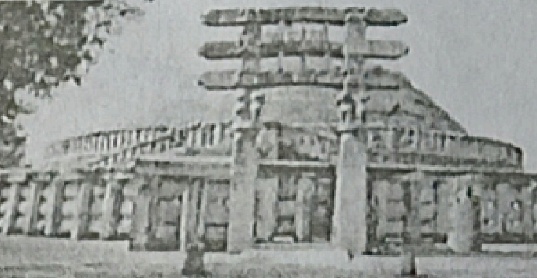
Mention the architectural characteristics of Sanchi’s stupa which has been declared as world heritage sites by UNESCO. {Salmara}
District Pre Board (2025–26): Important 3 Marks Long Questions
8. Write briefly on the heritage of paintings in Assam. {Baksa}
9. Write about religious unity and diversity in Assam. {Baksa}
10. Discuss the role of Sankardeva and Madhavdeva in medieval Assamese literature. {Barpeta}
11. Write briefly the heritage of paintings in Assam. {Barpeta}
12. Draw the table and write your response in it. {Barpeta}
|
The architectural styles |
Features |
|
Northern Nagara |
|
|
Southern Dravidian |
|
|
The fusian vesera style |
13. Write about Architecture of Assam. {Biswanath}
14. Complete the following table. {Biswanath}
|
Books |
Authors |
|
Arthashastra |
…………….. |
|
………….. |
Jawaharlal Nehru |
|
Kritan |
…………………. |
|
Namghosa |
…………. |
|
……………. |
Bhattadeva |
|
Hashtividyarnava |
……………… |
15. Bihu is an important part of the culture of Assam. Examine the truth of the statement. {Cachar}
16. Discuss the contribution of Bihu to Assamese folk culture. {Dhubri}
17. Write briefly on the culture of yoga in India. {Dhubri}
18. What are the three main styles of Indian architecture? {Goalpara}
19. Identify the bird shown in the picture. The bird is important for which state and why? {Kamrup M}
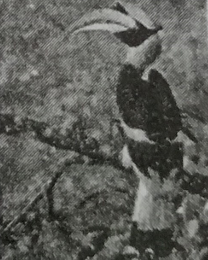
20. What are the factors that create unity among cultural diversity in India ? {Kokrajhar}
21. What are the major book written in the post vedic era? {Kokrajhar}
22. Name three architectural monoments built during the Ahom period. {Lakhimpur}
23. Write the name of three cultural heritages of Assam and a brief description of each. {Lakhimpur}
24. Mention three factors that create unity among diversity in Indian culture. {Majuli}
25. “For the study of folk culture, the whole society is like a book.” Give your comments in this regard. {Morigaon}
26. Wheather its the Kamakhya Temple or the Sivasagar Shiva Dol- in your opinon, what architectural styles influenced the construction of these temples of Assam? Write two characteristics of these styles. {Sibsagar}
27. Write briefly about the origin and development of Indian cultural pluralism. {Sonitpur}
28. Write a note about the paintings of Assam. {Sonitpur}
29. What are the main styles of Indian Sculptures? {Sribhumi}
30. To develop the lifestyle necessary for physical, mental and spiritual excellence, what discipline would you adopt to get good results? Show your reasoning. {Tamulpur}
31. “Asatoma Sadgamaya, Tamaso Ma Jyotirgamaya, Mrityorma Amritam Gamaya” – In which language is this powerful saying written? What is its essence? {Udalguri}
District Pre Board (2025–26): Important 4/5 Marks Long Questions
32. Write briefly on the heritage of printings in Assam. {Bajali}
33. Mention four factors that create unity among diversity in Indian culture. {Bongaigaon}
34. “Yoga is the glorious cultural heritage of India and an impeccable contribution to the entire human society” – Explain your opinion in this regard. {Darrang}
35. Study the given picture and answer the following questions: {Goalpara}
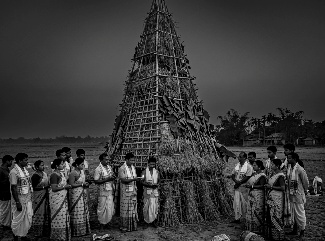
(i) The above mentioned picture indicates which festival of Assam?
(ii) The festival is celebrated when and how?
36. Discuss with examples how cultural diversity, integration and evolution are reflected in Assam. {Nalbari}
37. Really the society is like a book for studying the folk culture. Provide your views on this issue. {Goalpara}
38. What does the August Revolution mean? Narrate the role of Mahatma Gandhi in August revolution? {Nalbari}
Some Important Most Probable 2 Marks Questions for HSLC 2027
1. Mention any two major factors that create ‘Unity in Diversity’ in Indian culture.
2. What is Gandhara art? Name the two foreign styles that influenced it.
3. Write two main differences between the ‘Nagara’ architectural style of North India and the ‘Dravida’ style of South India.
4. What are ‘Charyapadas’? What is their significance in the history of Assamese literature?
5. Write the names of two major agricultural festivals of indigenous tribes of Assam along with the names of the communities that celebrate them.
6. Name two prominent saints who spearheaded the Bhakti movement in India.
7. Name two ancient manuscript paintings (Sanchipat) that represent excellent specimens of painting in Assam.
8. Who wrote the book ‘Hastividyarnava’ and who painted the illustrations in it?
9. What are Zikir and Zari? What message do they carry?
10. What are the six major branches (Shaddarshana) of ancient Indian philosophy?
Some Important Most Probable 3 Mark Questions for HSLC 2027
11. Name the three main styles of ancient Indian temple architecture and sculpture, and briefly describe any one of them.
12. What kind of revolutionary changes did the Neo-Vaishnavite movement of Srimanta Sankardeva bring to the social life of Assam? Discuss briefly.
13. Briefly write about the contributions of the Mughal period to Indian architecture and mention three of its main characteristics.
14. How do the ‘Namghars’ play a multifaceted role in the religious, social, and cultural aspects of rural society in Assam?
15. Briefly discuss the contributions of ancient India to science, mathematics, and medical science.
16. Explain the agricultural background of Assam’s national festival ‘Bihu’ and describe its three forms.
17. How did the Zikirs of Ajan Fakir contribute to building harmony and assimilation between the Hindu and Muslim communities in Assam?
18. What is ‘Buranji’ literature? How did this literature written during the Ahom rule enrich the treasury of Assamese literature?
19. Give a brief account of how the present Assamese script attained its complete form through gradual evolution.
20. How did Indo-Islamic architecture originate? Name two famous monuments built in this style.
Some Important Most Probable 4 Mark Questions for HSLC 2027
21. “India is a country of unity in diversity.” – Analyze this statement deeply from a historical and cultural perspective.
22. Discuss in detail the contribution of Buddhism to the development of ancient Indian architecture and sculpture. Make sure to reference the Sanchi Stupa and Ajanta Caves.
23. Present a detailed account of the contributions made by the Ahom and Koch dynasties to the cultural life of Assam.
24. Briefly discuss the evolutionary trajectory of Assamese literature starting from the ancient ‘Charyapadas’ up to the 19th-century ‘Jonaki Age’.
25. Elaborate on the invaluable contributions made by the Satriya culture to the folk art, songs, instruments, and dances of Assam.
26. Discuss the influence and core principles of the ‘Sufi’ and ‘Bhakti’ movements in the medieval Indian religious tradition. How did they impact society?
27. Give a descriptive account of the diversity of festivals and folk dances found in the indigenous tribal culture of Assam. How does this enrich the national culture of Assam?
28. Present a comparative discussion between the ‘Nagara’ style temple architecture of North India and the ‘Dravida’ style of South India.
29. Write an essay on Assamese Vaishnavite literature highlighting the literary and religious contributions of Srimanta Sankardeva and Madhavdeva.
30. Prepare an analytical note on the assimilation and harmony existing among various races, ethnic groups, and religious communities in contemporary Assamese society.